
Project in Health Information Systems class towards a Masters of Health Administration at National University
Disclaimer: Please note that in all blog posts italicized work is the opinion of the author. The author does not own any of the images presented and they are the sole right of the owners. Only intended to use for creative purposes of the blog.
Emerging Health IT Trend: Predictive Analytics
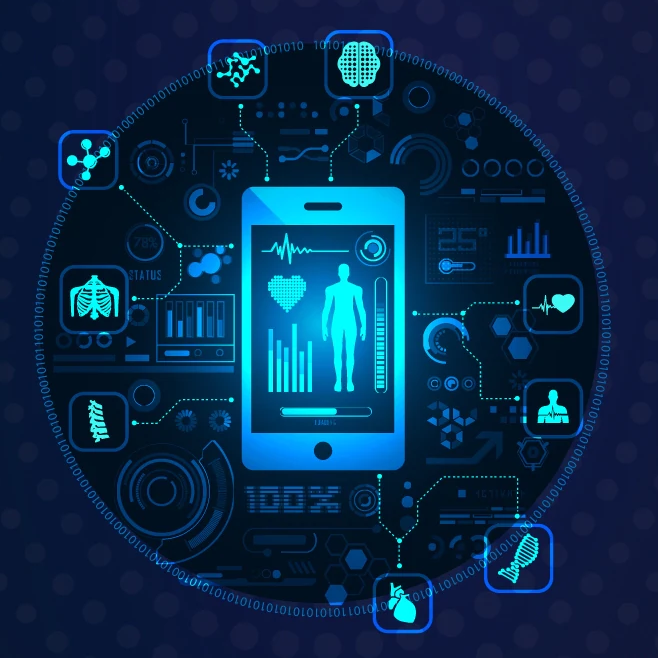
Healthcare improvement is becoming even more of a pressing issue as the pandemic continues. How do technology experts work with healthcare professionals to strengthen results? Predictive analytics is an up-and-coming emerging Health IT trend that uses machine learning data analytics and statistical algorithms to predict an outcome of what will happen in the future. This can help the physician detect early signs of disease and predict the risk of the disease to the patient. For example, a health care system in New York City created a machine learning model that identifies high-risk COVID-19 patients and the likelihood of mortality for better patient care (Drees, J., Dyrda, L., 2020).This can be used in real-time to predict patients that need immediate care in the next hour. Also can be used to address those people that are at high risk after their visit signs of when they should seek medical care. This technology can also be used to warn caregivers of indications of deterioration that happens within the hospital setting, that may go unnoticed (Philips, 2020).
Another way this technology can be used in health care is for elderly care. There is a need for more monitoring of elders once they have been discharged to avoid future adverse events. Predictive analytics can be used for preventive measures instead of reactive, thereby alerting doctors of seniors who may be more at risk of ambulance services within the next 30 days than others upon discharge (Philips, 2020). Doctors can set up more frequent times to check in with the elder at home because of this technology (Philips, 2020). Lastly, predictive analysis can be used to help maintain vital health machine functions, by mapping when a machine such as MRI or ultrasound will need maintenance (Philips, 2020). Health care machine’s lifespan will improve and prevent future machine malfunctions from happening more easily.
This emerging IT trend is not just a fad, in the future clinicians are hoping to use this to proactively manage care and population health. Predictive analysis can be used to predict future health outcomes which is vital for more effective health care. One day this technology may be integrated into managed care so physicians can give better prognoses. Also, will help with remotely monitoring patients during the pandemic sets this technology at the forefront. If doctors have a better understanding of who needs the most help, and analytics can help predict this, then lifespan will improve. Lastly, machine functionality will improve with better monitoring, therefore health care delivery improves simultaneously.
References
Philips. (2020). Predictive analytics in healthcare: three real-world examples.https://www.philips.com/a-w/about/news/archive/features/20200604-predictive-analytics-in-healthcare-three-real-world-examples.html#:~:text=Predictive%20analytics%20in%20healthcare%20can,avoidable%20downtime%20of%20medical%20equipment.
Dree, J., & Dyrda, L. (2020). 10 emerging trends in health IT for 2021. https://www.beckershospitalreview.com/healthcare-information-technology/10-emerging-trends-in-health-it-for-2021.html
Two Future Technology Trends for Health Care
- Human-Like Robots
A second technology that can be used in the future of healthcare is robotics. Robots are starting to be used more often in laboratories and exam rooms. They have been used to do monotonous routine health care duties such as cleaning and disinfecting exam rooms, taking samples and transporting them, even helping lab assistances find a vessel that could work for a blood draw (Red Ventures Company, n.d.). Robots have many health care uses yet are not widely used today as the technology still needs to develop. In the future, these robots could continue to be used to assist physicians with helping surgery if the technology allows for robots to have arms/fingers like humans. This seems to be the hardest thing for engineers to develop is hands that mimic humans, as they are so unique to our species and have taken millions of years of evolution to create the perfect hand. In the future robotics may be able to even replace health care workers. Imagine if a human enters a room and the “doctor” robot scans the human to inform them what exactly they need in terms of blood work, vitamins, minerals, medications, routine exams, surgeries, etc. The robot could almost act to speed up the healing process then once the data is transmitted from the “doctor” robot to the human doctor, they would have a better entire understanding of the patient. I believe that one day the robot may even be able to fully replace the human, but this then takes away from the human experience. What does this ethically mean? Connections are formed from networking and a general understanding that one person has had a good experience with a doctor and refers another through word of mouth or online reviewing. If robots take the place of a doctor then this human interaction is lost, which seems essential to the healing process, as trust is formed and genuine understanding of a condition through human interactions. Then that begs the question if robots could develop these sensory feelings then would they be able to fully replace human doctors both intelligently, physically, and emotionally? A slippery slope starts to happen at that point. Many critics believe this will never happen as our technology cannot achieve full human-like capabilities. But one robotics company called Hanson Robotics is already creating life-like artificial intelligence robots that mimic human interaction and emotions. Sophia the robot has been used to engage in active conversations and fit the needs of humans. Hanson Robotics believes that AI interface designs need to be human-like to help different market needs in customer service, medical, education, and others (Hanson Robotics, n.d.). In the future, this may be the first company that can enable medical robotics to have a human-like quality. There are endless possibilities for how robots in the future could help in health care and they will be extremely valued in the future as a new way to enhance or replace our health care system.
References
Hanson Robotics. (n.d.). About. https://www.hansonrobotics.com/about/
Red Ventures Company. (n.d.). How are Robots CHANGING HEALTHCARE?. https://www.healthcare-administration-degree.net/faq/how-are-robots-changing-healthcare/#:~:text=Robotic%20technologies%20appear%20in%20many,for%20patients%20and%20medical%20personnel.&text=Robots%20also%20prepare%20and%20dispense%20medications%20in%20pharmacological%20labs.
2. Blockchain
The next 50 years of health care will look a lot different with the invention of technologies. How might some of these technologies be used in the future to solve health care’s complex problems? One technology is called Blockchain which is used to distributed and record public ledger transactions and assets which are unchanged and guaranteed by a peer-to-peer network of computers and not a centralized authority such as the bank (Yoon H. J., 2019). Each transaction is recorded with a unique fingerprint identifier that cannot be changed. This has drawn the health care sectors interested as a secure exchange of information that is unchangeable could be used to improve medical record data transmission, insurance claim processes, accelerate medical research and expand healthcare data with a public ledger (Yoon H. J., 2019). Patients in the future should be able to use blockchain to link to their hospital’s medical records to collect their personal information. Then blockchain can be used for patient-centered interoperability. Patients with their medical information can configure rules for access within the blockchain, so specific individuals would only be able to have access for a certain amount of time (Yoon H. J., 2019). This would help with security issues and provide a fast and efficient way of gaining access to medical records anywhere in the world. Although the challenge with this is that the blockchain is public knowledge, therefore everyone can have direct access to records if hacked correctly or known the sequence to gain access. The chance of this is very low as blockchain is highly secure.
This technology theoretically could be used for institutional interoperability. If in the future if health intuitions were linked on the same network that exchanges all patient information in a highly coded fashion, then this would correlate with a huge data house warehouse that could be accessed by the appropriate parties. Medical research and findings would advance because there would be a central system of public knowledge of health information that can be easily accessed if patients give their blockchain coding to the institute. Also, it could help with health care transactions and business operations across countries as every bill would be accepted as one currency. This may lessen the administrative burden on the American country. Since blockchain technology in healthcare has not fully developed this will be important in the future of medicine to utilize this type of technology for better access to patient information and interconnectivity from all health facilities in the world.
References
Yoon H. J. (2019). Blockchain Technology and Healthcare. Healthcare informatics research, 25(2), 59–60. https://doi.org/10.4258/hir.2019.25.2.59
The CDC’s Use of Syndromic Surveillance During COVID-19
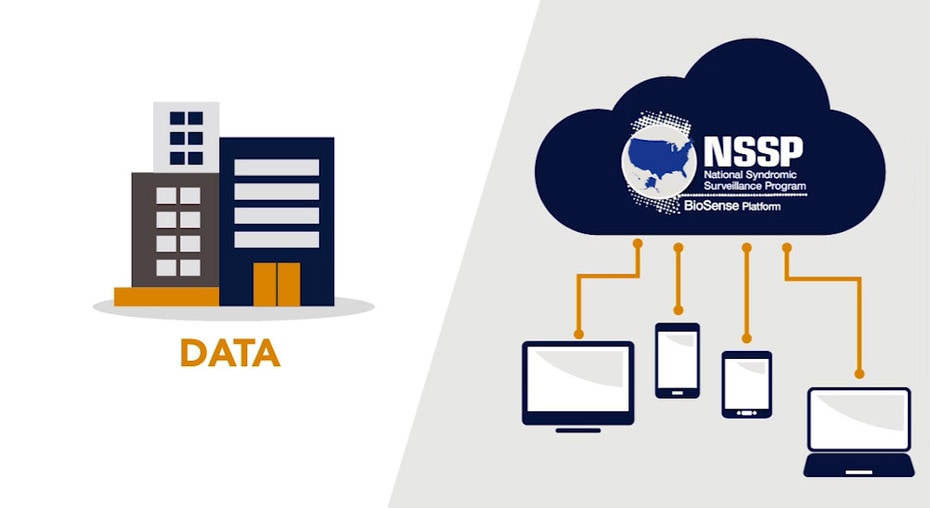
Syndromic surveillance is defined as healthcare staff along with automated data acquisition and statistics monitor disease indicators in real-time to detect outbreaks of an illness. This technology has revolutionized public health to prevent the disease from quickly spreading the way traditional medicine could not (DHHR, n.d). This is essential during epidemics or pandemics to trace where the disease is coming from and focus health efforts on where it is needed the most. It is important to note that this does not replace traditional public health statistics but merely aids in being able to track how disease spreads. This also helps monitor biological terrorism which can be harder to pinpoint (CDC, 2021). Syndromic surveillance is essential to the overall health of a given population.
The Center for Disease Control’s National Syndromic Surveillance Program (NSSP) is used during pandemic outbreaks for example COVID-19 (CDC, 2021). The program collects big data from emergency rooms, and other facilities on COVID-19 before and after cases to help better respond to the health emergency. They can use this information to also track the different symptoms and treatments which are different from influenza vs COVID-19 (CDC 2021). The NSSP uses visualization to show geographical data and timely updates to the CDC and National Response Coordinating Center who then can support state and local health department’s use of these data for prevention. The NSSP promotes interoperability by connecting with all areas to provide strategic partnerships to introduce new ways of analysis and sharing this big data. Syndromic surveillance can also help identify when it is safe to return to the workplace and what health resources are available locally (CDC, 2021). For example, syndromic surveillance was used to identify the first cases of COVID-19. Before February 2020 there were not enough emergency room and local cases detected. There were zero cases reported before February 28, 2020. The syndromic surveillance data suggested that a single introduction from China and a couple from Europe lead to the spread of initial COVID-19 transmission. Additionally, it suggests that transmission was happening before the cases were documented by non-Americans. Three residents in California two of which were in the same county and one who left California before the documented case had been caring the virus. The syndromic surveillance was used to track and observe these cases to align with and when transmission had occurred (CDC, 2021). Presently syndromic surveillance is being used to track the side-effects of people who are vaccinated, to prevent serious population concerns from occurring (CDC, 2021). I believe that syndromic surveillance can be used as a key tool by emergency room departments to warn people of early signs of outbreaks. As emergency room departments receive the most influx of sick/urgent care patients, they have firsthand knowledge that can be used by local officials to protect the community. This information can then be used to close facilities for quarantine until numbers have reached stabilization. This type of evidence can and has been used in community health to address the opioid and cigarette/vape product epidemics. If national and local leaders had more teams that would monitor this type of data as it starts to occur, then certain health crises could be avoided.
References
DHHR. 2020. Surveillance. https://dhhr.wv.gov/oeps/disease/Surveillance/documents/syndromic-surveillance/ss-reporting.pdf
CDC. 2021. How NSSP Works Across CDC. https://www.cdc.gov/nssp/partners/how-nssp-works.html
CDC. 2021. Evidence for Limited Early Spread of COVID-19 Within the United States, January-February 2020. https://www.cdc.gov/mmwr/volumes/69/wr/mm6922e1.htm?s_cid=mm6922e1_w
Three Types of Aggregate Healthcare Data Used by Clinical and Business Executives
Using different analytics clinical and administrative executives can use data to aid in their medical and business healthcare performance. Data analytics or aggregated data is used in healthcare settings to see how one or more variables affect a given population (UIC Online Health Informatics, 2020). This post will focus on different types of data healthcare executives use for disease prevention/research, patient care costs, and marketing. There is a need for this type of data to be used more often to make educated decisions based on big data treads within different health treatments and diseases. Public health along with clinical facilities use this type of data to help link the needs of its population with the patient. One day with the combined effort of these public institutions and healthcare facilities they can work together to reduce some of the most common health and health business issues in America.
Disease Prevention & Research for Executive Doctors
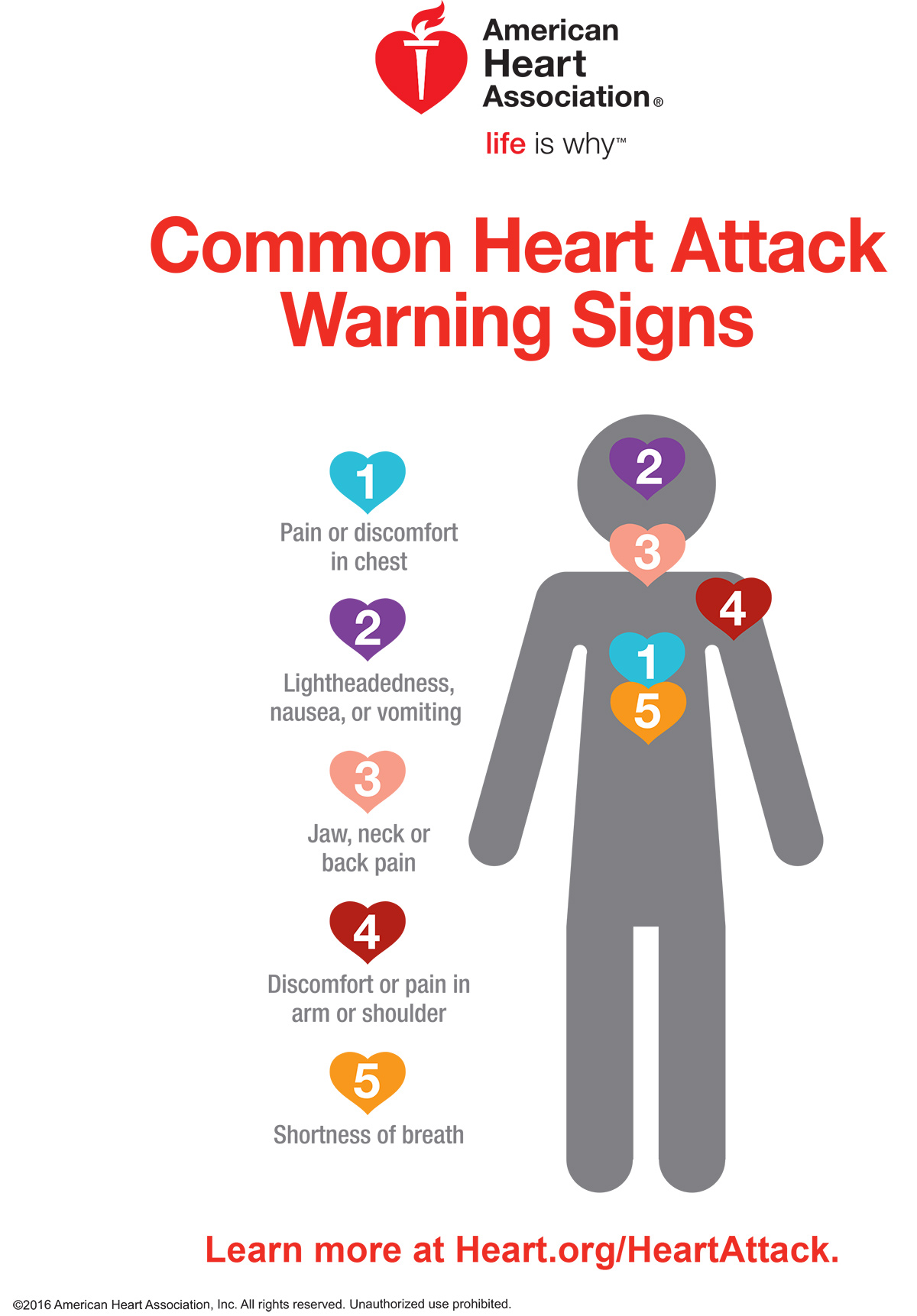
When physicians are in medical school, they are learning from aggregate data the types of information that are common about a disease (Gasper, 2015). For example, because a collective of years of public data reports supports that chest pains may indicate a heart attack, a physician learns how to notice this early in a patient so they can treat and diagnose properly. The same can be said about the reason why smoking can create lung cancer aggregated data has supported this (Gaspar, 2015). This has enabled disease prevention to be taught to physicians to aid in a better lifespan for humans. Therefore, doctors should stay up to data with aggregate data around diseases and other health issues such as COVID-19. This is essential so doctors can view data in their give area to see how the virus affects certain populations and what is the best recommended medical treatments to offer certain patients they treat. In my experience, the greatest doctors are the ones who in their free time are researching the best types of technology to treat their patients.
Patient & Physician Care Costs

Aggregated data can help track patient expenses and physician reimbursement for different types of health services. Based on the cost of certain treatments physicians can make general recommendations on how much treatments will cost the patient and for how long (Gasper, 2015).Physicians can also use aggerated data to account for the costs of health treatment outside of the healthcare facility, such as medications or home aid (UIC Online Health Informatics, 2020). It helps patients understand the cost that comes with the types of treatments needed for their health. For example, if a patient has a chronic condition versus acute, they can more accurately prepare their funding for their current and future health. Additionally, physicians can see how they are improving in their performance outcomes with higher or lower federal reimbursement. Private practices can use aggerated spend reports to allocate where monetary value is being placed, thereby adjusting to fit the needs of the consumer and profit from the data analysis. Aggregated data reports on expenditures and patient costs are a huge way that companies track the cost of their services versus their profits to stay in business.
Marketing
With social media strongly influencing the way the consumer views healthcare, marketing statistics must be accounted for in organizational marketing (Gasper, 2015). This type of aggerate data shows what is eye-opening or stimulating for the patient to want to visit certain offices or hospitals. For example, aggregate data reports show that the app TikTok is on a rise for young millennials. A pediatrician’s office could use TikTok videos to engage young teens in their healthcare and interested them in the services offered at the office. Similarly, data platforms like Google Analytics can show what types of health issues are most complained about online and therefore should be marketed to the consumer. Administrators can use this aggerated information to boost business. For example, most people are more concerned about their waistline right before summer, when they may have to wear fewer clothes. This aggerated data tread can be used to market weight loss programs in the couple months before the summer with advertisements like, “Want to lose a few pounds before bikini season? Come into *insert practice here* to learn more about *weight loss program here*.” Also, physicians have a preferred list of referrals because of marketing reports that have suggested certain types of treatments, equipment, vendors, etc. Marketing data is used to prove these treatments produced effective results and therefore are recommended (Gaspar, 2015). Marketing data is an important way that administrators and physicians can keep up with the latest trends to attract and help refer their patients.
References
UIC Online Health Informatics. (2020). How Health Care Analytics Improves Patient Care: UIC Online. https://healthinformatics.uic.edu/blog/how-health-care-analytics-improves-patient-care/.
Gaspar, S. (2015). Aggregated data. https://www.clinfowiki.org/wiki/index.php/Aggregated_data#:~:text=8%20References-,Aggregate%20Data%20and%20Healthcare,way%20to%20treat%20a%20disease. specific systems used by the CDC or W.H.O.
How Technology Has Helped The COVID-19 Pandemic
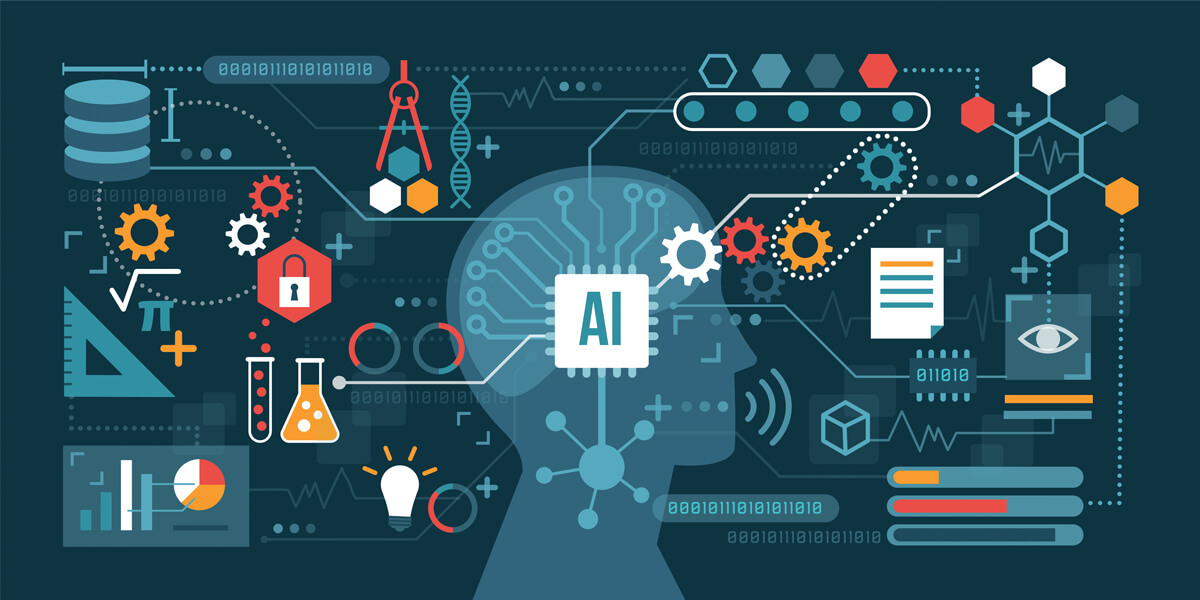
The COVID-19 pandemic has brought an enormous increase in the need for technology. One example of a way technology has been utilized is an increase in artificial intelligence (AI). AI data analytics and predictive modeling (machine learning and statistics) have been used to forecast disease spread, medications, and treatments. Practitioners worldwide can use AI tools to identify if patients have a common cold, flu, or COVID-19. Baidu a technology company based in China that has created AI solutions to screen populations to detect a change in body temperature. The AI can screen approximately 200 people per minute in a crowd. It can identify if someone has an elevated temperature and may need to quarantine (B.S., 2020). This is useful tool as without AI analytics then data could not be transmitted as fast. The second example is telehealth which has increased tremendously. Doctors at Stanford medical lab have reported that employee and patient care has drastically changed. Employees that cannot work from home such as nurses and doctors are required to line up six feet apart for a daily screening, which includes scanning of a QR code to have them fill out a COVID-19 survey to ensure they are not symptomatic, and then an infrared thermometer takes their temperature. Medical assistants work from home to prepare patient’s virtual charts and doctors have been trained how to do virtual physical and even neurological exams. Also, AI algorithm helps Sanford doctors flag patient’s medical records who are at the highest risk. Therefore, helping clinicians quickly identify more aggressive forms of treatments for high-risk patients (DiDonato, Costello, Khemani, Goldman, & Benzkofer, 2020). This has personal effected me as I am able to now work from home doing medical administration for a functional medicine office. Three years ago this would not have happened as we still at an electronic medical record system that was tied to a software. Our most updated electronic medical records system is now based on a secure URL that can be accessed anywhere. Technology has also automated our phone system by being app to utilize a Comcast Business App to send, receive, and transmit calls. My last example is technology has helped public health organizations such as the WHO and CDC to provide real-time up to date statistics on current cases. This has helped deter false internet news around COVID-19 by urging individuals to seek a primary source such as the CDC. On my Instagram app the first thing I see in the search bar is the CDC and WHO profiles, as these organizations have paired with social media to help send accurate information to the user. The pandemic has created a new age of digitization which has been a lifeline for the medical community. It has enforced the importance of having the most up to date technology to provide the best care for patients.
References
DiDonato, S., Costello, P., Khemani, S., Goldman, B., & Benzkofer, S. (2020, June 05). Here’s how technology is helping residents during the COVID-19 pandemic. Retrieved February 10, 2021, from https://scopeblog.stanford.edu/2020/06/04/how-technology-is-helping-residents-during-the-covid-19-pandemic/
B.S., M.(2020). Covid-19: 8 Ways In Which Technology Helps Pandemic Management. https://cio.economictimes.indiatimes.com/news/next-gen-technologies/covid-19-8-ways-in-which-technology-helps-pandemic-management/75139759
Three Health-Related Technology’s That Increases Patient Engagement
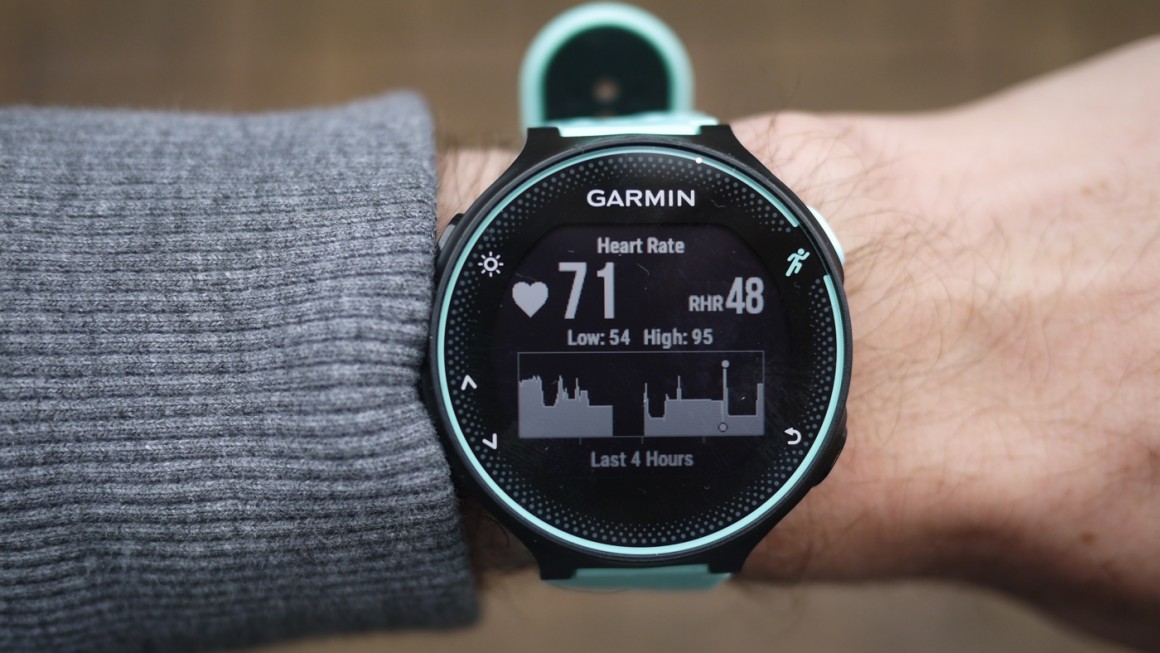
Technology has increased patient engagement by enabling any health information to be research with a laptop or smartphone. This provides patients and caregivers with a vast amount of support in their treatment management. The first tool created for this is the Walgreens self-management app which has increased patient engagement by allowing easier access to data. Patients can input their data into the Walgreens’ Find Care app that can support their chronic disease management. The app makes suggestions on how to support chronic care management. For example, if a person is diabetic, they can connect their wearable blood glucose device to the app and it will alert the person when action is needed for low and or high blood sugar before the situation becomes unmanageable. Also, patients can allow their doctors to have direct access to their information, so the doctor can be promptly notified of irregularities and contact the patient if needed. This will be a helpful to for continued patient quality improvement. A second tool that helps consumers is connecting patients through text messages which have led to fewer missed appointments. Many EHR only use emails to inform patients of appointments which can result in them missing the appointment if they do not check their email or it goes to spam. With the installation of text-messaged-based technology, Grunberger Diabetes Institute saw a 66 percent reduction in missed office visits and was able to reschedule patients more efficiently (Nelson, 2020). My dentist office uses this as a way to quickly communicate with patients. Sometimes I am busy and forget to call them back, they instantly send a text and call which enables a on the go person like myself more freedom to respond at not rushed patience. The third tool is biometric devices such as the Apple Watch, Fitbit, Garmin Smartwatches, and others have increased patient’s ability to interact with their care. These watches accurately record real-time heart rate and provide a collection of data to give a person their resting heart rate. They also deliver other health statistics such as sleep patterns, physical activity, menstrual cycle monitors, and additional data. I personally use a Garmin Smartwatch to track my steps, calories, sleep, menstrual cycle, and heat rate. This better enables me to see when my body is at its optima level. When it is not, I can more easily reflect on my daily patterns and recognize when change needs to occur. Patients can address these materials with their physician to have a more accurate read on their health status in between appointments. These examples are some of the ways healthcare-related tools have increased patient engagement in their healthcare services.
References
Nelson, H. (2020). 4 Way Smartphones Improve Patient Engagement, Activation. https://patientengagementhit.com/news/4-ways-smartphones-improve-patient-engagement-activation
 ZENA F. ROJAS, MHA, MIM